City Breathers: Pocket Parks and Waterfront Escapes
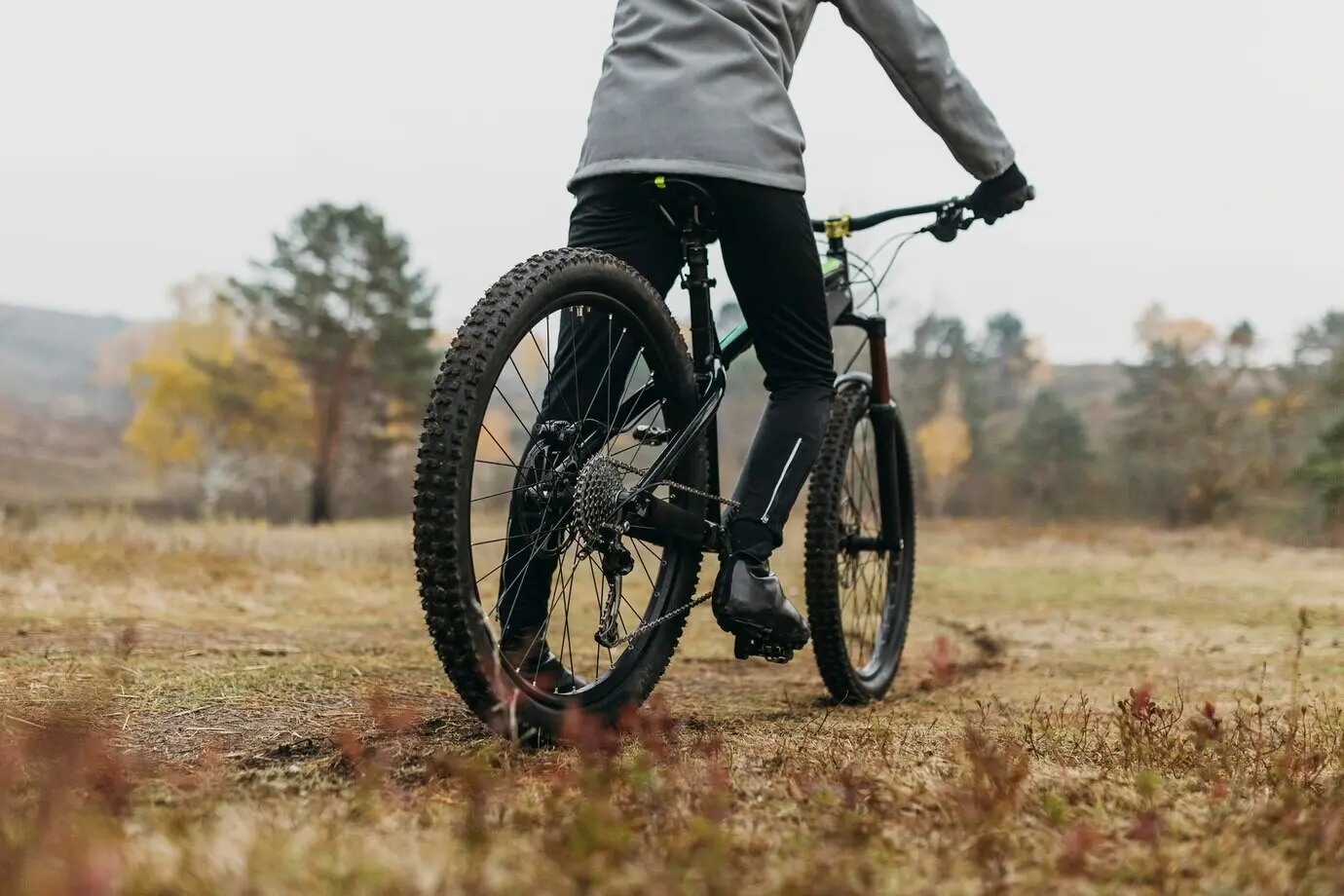
Today we explore Pocket Parks and Waterfront Escapes: Mini Nature Rides in the City, celebrating quick routes that stitch together breezy boardwalks, shady benches, and hidden green corners. Expect practical guidance, heartfelt stories, and playful prompts that help you breathe deeper, move gently, and rediscover wonder just a few blocks from home.

Why Small Green Spaces Matter

From lunch-break strolls to after-work spins, tiny parks and river edges buffer stress, cool overheated streets, and welcome birds, pollinators, and neighbors. These micro oases expand everyday freedom, proving adventure does not require distant mountains, just attentive steps, kind pacing, and a willingness to linger.

City Calm Within Ten Minutes

Set a simple rule: reach a patch of leaves or water within ten minutes from your door. The promise shrinks hesitation, trains attention, and quietly builds a habit loop where your body expects relief, your mind softens, and your calendar finally serves restoration.

Microclimates and Urban Biodiversity

Pocket lawns beneath mature shade trees can drop perceived temperatures while planter boxes feed pollinators crossing hardscapes. Listen for wrens under traffic hum, spot dragonflies cruising canal edges, and notice how layered vegetation invites insects, then birds, then people who feel safe to pause.

Access and Equity in Everyday Green

Short, affordable journeys matter most for families, elders, and shift workers. Place benches, clear curb cuts, obvious crossings, and lighting that flatters faces rather than blinding eyes. Equitable access means joy without prerequisites, welcome without purchase, and dignity woven into every resting place.

Planning Your Mini Nature Ride

Use a cycling or walking app with overlays for shade, bike lanes, greenways, and water access points. Combine official data with local annotations, bookmarking fountains, murals, and snack refuges. Your map becomes a living diary that remembers comfort details your future self will appreciate.
Slip a reusable bottle, tiny first-aid patches, sunscreen, and a compact lock into a small bag. Add a bell, lights, and a thin layer for wind near water. Keep hands free for photos, waving to neighbors, and picking up the occasional stray wrapper.
Sunrise softens concrete, invites birdsong, and empties promenades. Late afternoons paint glass towers, while evenings cool boardwalk planks and reveal city reflections. Check tide charts where applicable, peek at event calendars, and choose windows that maximize calm, accessible bathrooms, and a gentle pace for everyone.

Waterfront Escapes to Savor

Edges where land meets water invite lingering. Follow riverside paths, canal towpaths, or harbor loops that mix salty breezes with skyline vistas. Notice ferries, fishermen, and reeds that hiss. Each shoreline segment offers a different rhythm, teaching patience, perspective, and playful humility within urban vastness.

Pocket Parks You Might Overlook

Small does not mean simple. Many pocket spaces hide local art, heritage plaques, and plant experiments tucked between storefronts and bus stops. Learn their moods across seasons, noticing fragrance shifts, migrating shade, and the social choreography of lunches, neighbors, and solitary readers.

Parklet Alchemy

Two curb spaces become a wooden platform, planters, and a pair of bistro chairs. Suddenly conversations linger, cyclists slow, and someone sketches between sips. Notice how tiny design moves—edges, rails, and flowers—generate safety, possibility, and shared belonging that radiates beyond painted lines.

Vest-Pocket Plazas

Find the wedge where two streets meet, often ignored until someone adds trees, movable chairs, and a splash of color. These slices magnify sky views, catch breezes, and transform waits into micro-retreats where strangers gradually recognize each other and exchange neighborly nods.

Underpass Gardens

Bridge undersides once felt like leftover spaces. With planters, lights, and murals, they become cool shelters during heat waves and rain. Families rest, skaters flow, and commuters reroute, discovering textures, echoes, and sheltering habitats that expand the city’s capacity to invite gentler rhythms.

Stories from the Path

A Bench, A Conversation

I paused to tie a shoe and met an elder who feeds sparrows daily. He described how the smallest plaza saved his winter morale, one careful visit at a time. We exchanged route tips, smiled, and both left lighter than we arrived.

The Tide Teaches Breathing

Along the quay, waves rolled like a slow metronome. I breathed with them for three minutes, watching anxieties shuffle off like gulls lifting into wind. Returning to the path, every color felt brighter, every footstep friendlier, and my shoulders finally remembered their natural position.

A Child’s Science Kit

A parent handed a magnifier to a curious kid, who studied bark, pebbles, and a water strider skating upstream. That tiny field class enchanted onlookers, shifting the crowd from urgency to delight, and reminding everyone that attention is the simplest, strongest urban magic.

Ride Etiquette and Safety

Shared paths work beautifully when kindness leads. Signal early, slow at pinch points, and make eye contact. Keep right, pass gently, and yield to unpredictable toddlers and dogs. Hydrate, mind slick wood near water, and choose visibility that keeps dusk rides welcoming and calm.

Graceful Passing

Announce with a bell or warm voice, then wait a beat. Pass with space, reduce speed, and thank the person you overtook. That tiny ritual stitches trust into the path, so everyone relaxes and the route feels more like a shared living room.

Respecting Water and Wildlife

Never chase birds for photos, and avoid feeding anything. Keep wheels and feet out of vegetation, especially near nests. Observe tide lines, slippery algae, and sudden wakes from boats. Appreciation grows deeper when caution protects the delicate, resilient communities making these edges alive.

Volunteer Power, Measured in Smiles

A monthly hour picking litter from reeds changes how you see the waterfront and how the waterfront welcomes others. People copy good behavior, ask questions, and sometimes join. The place feels like family, and rides become reunions rather than solitary escapes from pressure.

Citizen Science on the Go

Record birds, butterflies, or street trees during rides with simple apps. Those observations strengthen cases for habitat improvements, traffic calming, and shade investments. Data gathered by neighbors turns into better budgets, kinder designs, and new pockets of relief waiting along tomorrow’s favorite loop.

Speak Up for Gentle Mobility

Attend open houses, write polite notes, and celebrate wins loudly. Advocate for protected lanes, curb ramps, and crossings that connect small parks to waterfronts. When officials see joyful, diverse riders, investments accelerate, risks drop, and everyday nature becomes an expected, cherished part of city life.
Kulupifumemonefofe
Privacy Overview

This website uses cookies so that we can provide you with the best user experience possible. Cookie information is stored in your browser and performs functions such as recognising you when you return to our website and helping our team to understand which sections of the website you find most interesting and useful.